Source
Ion Interactions
About
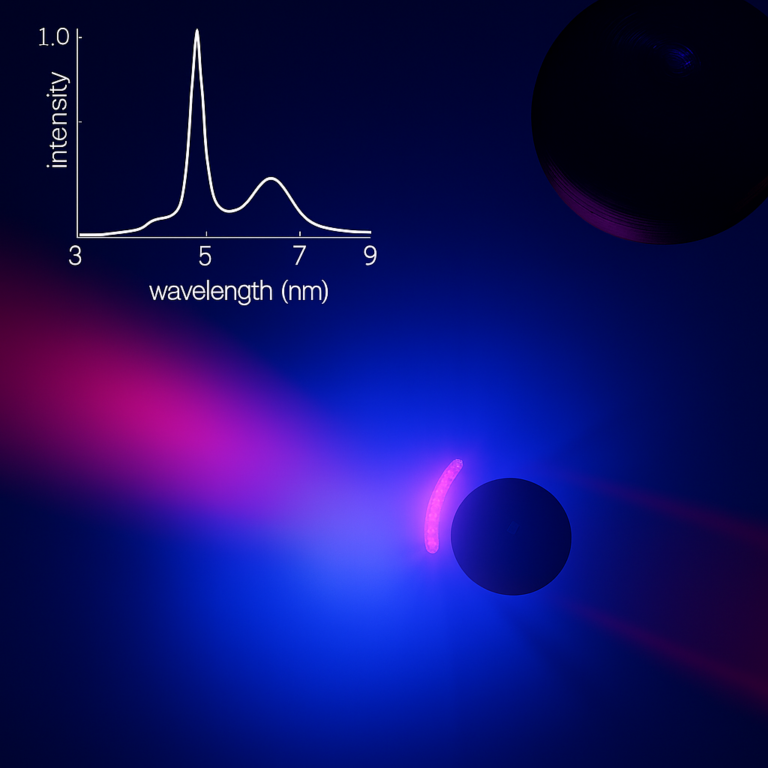
The Ion Interactions group studies interactions of ions with matter. This fundamental research informs the design of extreme ultraviolet (EUV) light sources for nanolithography processes in computer chip manufacturing.
Research focus
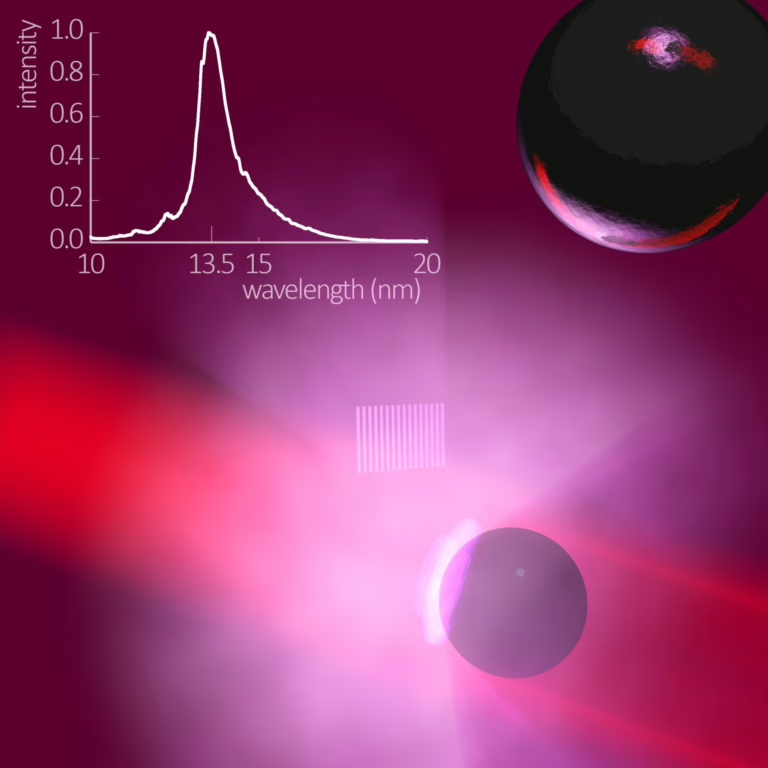
Pushing EUV sources for nanolithography to ever higher powers increases the load of plasma debris on the EUV optics facing the plasma. A large flow of hydrogen (H2) buffer gas is used to mitigate so-called “entrainable” debris.
The Ion Interactions group investigates (1) the stopping power of H2 buffer gas for tin ions in different charge states and kinetic energies, and (2) the sputtering and implantation rate of tin ions on clean and debris-covered metallic surfaces relevant for EUV optics. The focus is on experiments, as the theory is insufficiently accurate. These studies are performed using our ZERNIKELEIF ion beam facility at the University of Groningen.
Plasma “debris” is comprised of, for example:
- Tiny tin microdroplets,
- Fast tin ions, or
- Ions accelerated to the mirror surface by the plasma sheath, a positively charged boundary layer.
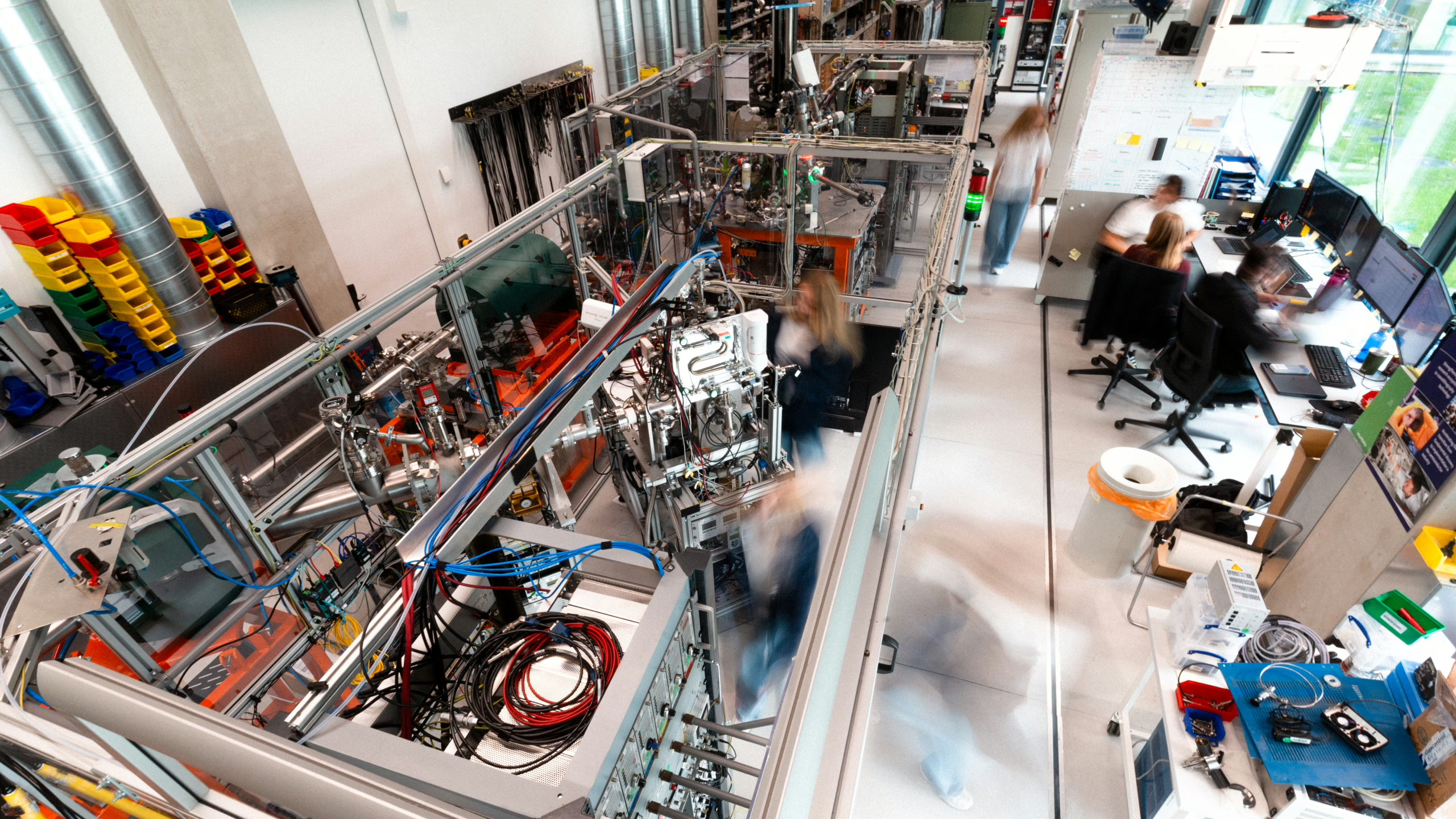
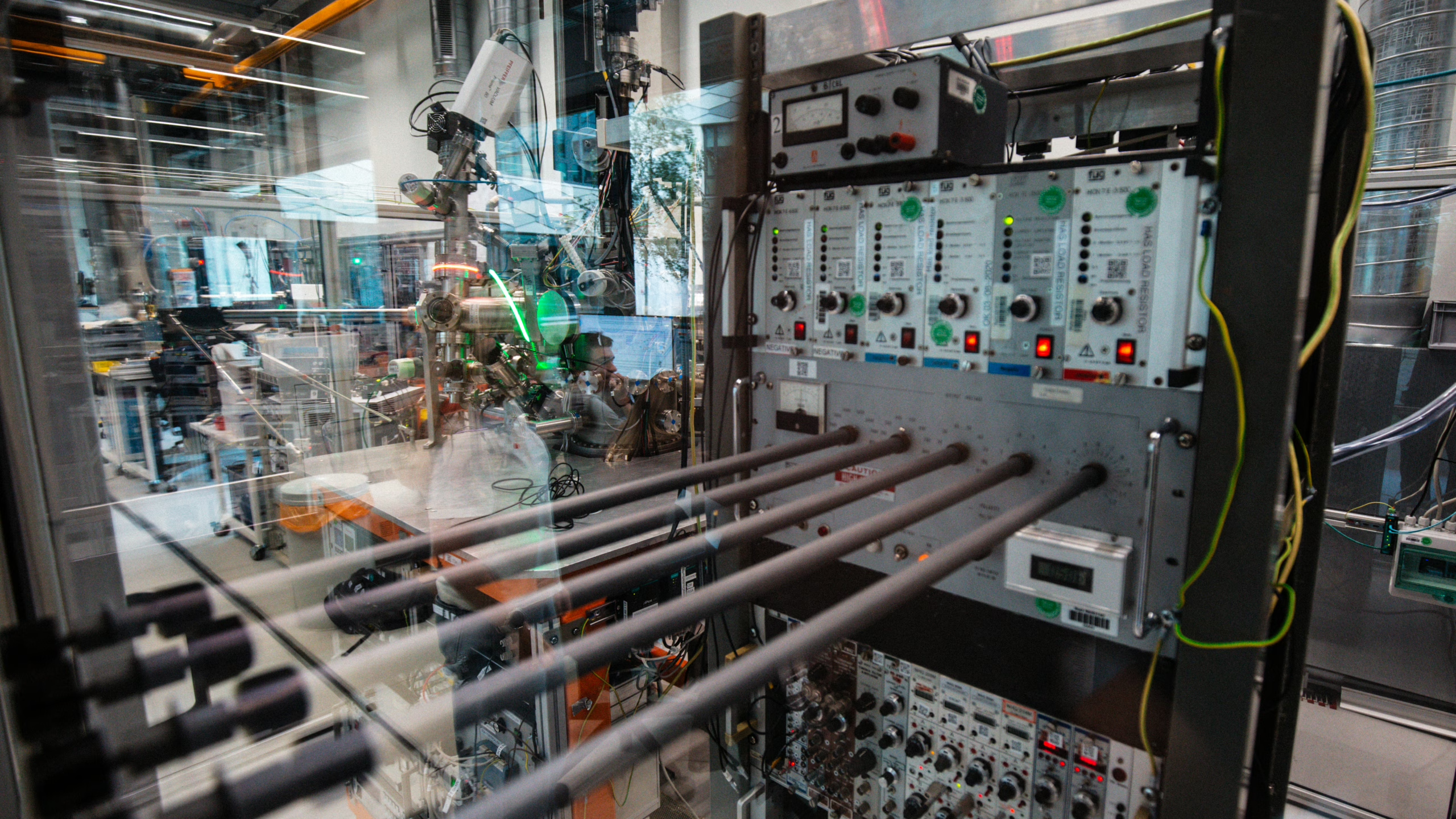
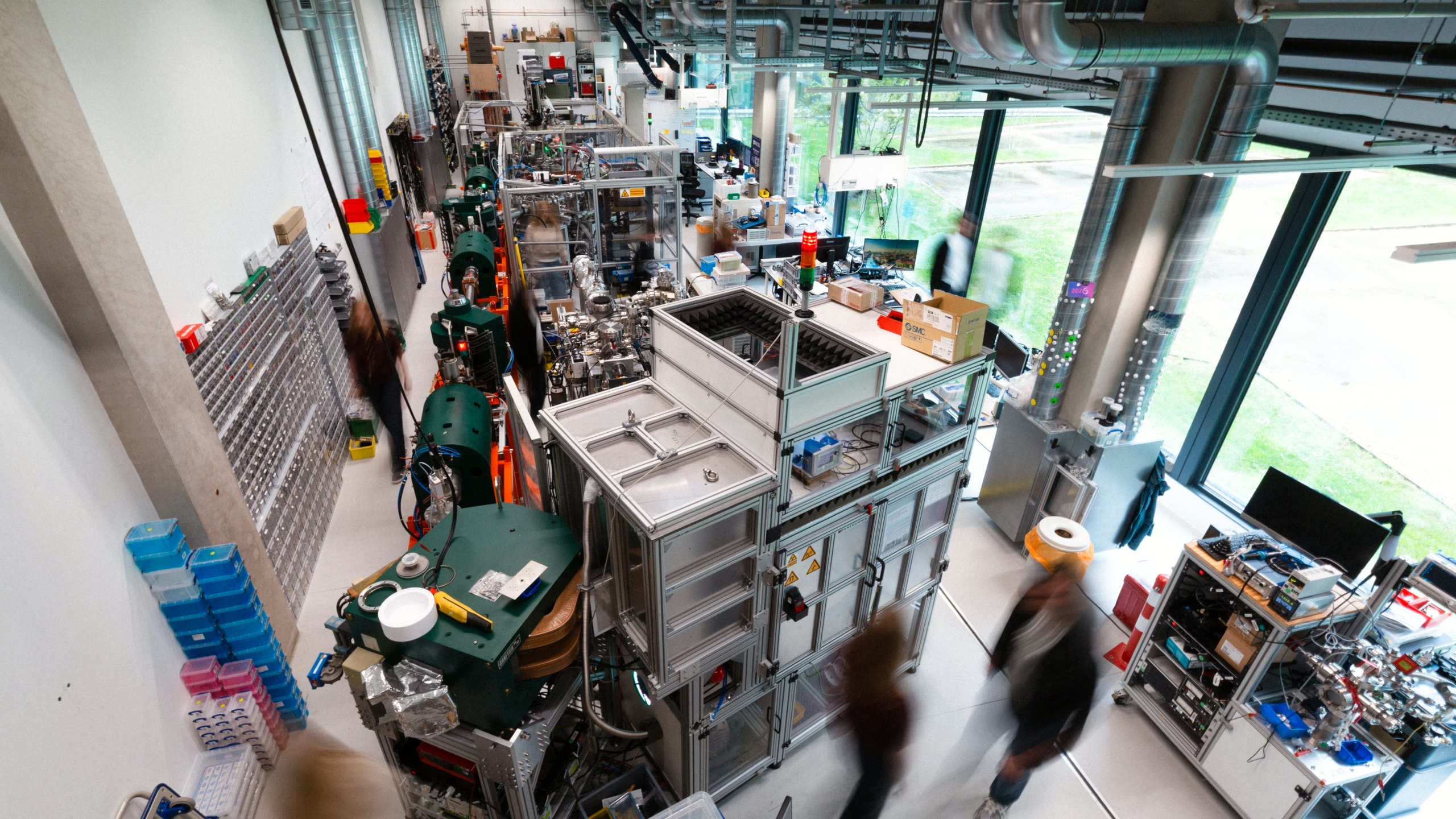
ZERNIKELEIF is a unique low-energy ion beam facility at which charged tin ion beams can be produced with tunable energy, charge state, and mass. The ECRIS (Electron Cyclotron Resonance Ion Source) type ion source can be operated at voltages up to 30 kV. The ion beams extracted from the ECRIS serve two set ups dedicated to ARCNL experiments. Both set-ups and their auxiliary equipment are sitting on a high-voltage platform to allow for the deceleration of the tin ion beams to virtually zero kinetic energy, so experiments can cover the full energy range relevant to tin plasma EUV sources. The first one is a crossed-beam setup in which the interaction of tin ions with gases can be investigated. The second setup is designed to study interactions of tin ions with solid surfaces.
Group members
Ronnie Hoekstra is one of the founding members of ARCNL. He is also Full Professor at the University of Groningen at the Zernike Institute for Advanced Materials, where he is head of the Quantum Interactions and Structural Dynamics unit. Ronnie’s lab and ARCNL research group are based at the ZERNIKELEIF facility in Groningen.
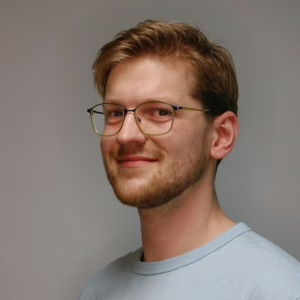
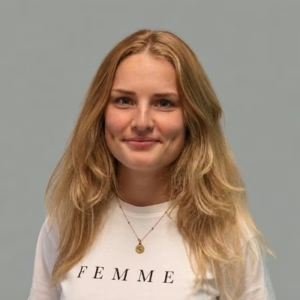
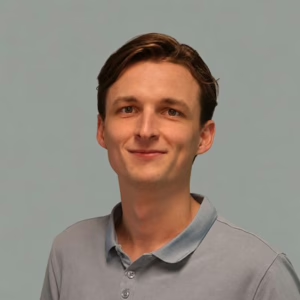
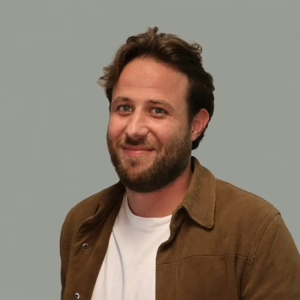
Based at the University of Groningen
- Antoine Khoury, emailL a.khoury@student.rug.nl (Master student)
- Leon Szapora, email: l.a.szapora@student.rug.nl (Master student)
- Linda Balkema, email: l.balkema@rug.nl (Secretary)
- Selina Bouwes, email: s.bouwes@student.rug.nl (Master student)
- Sietse Klamer, email: s.f.klamer@student.rug.nl (Master student)
- Vladimir Davydov, email: v.davydov@student.rug.nl (Master student)
Former group members
| Finished in | |
|---|---|
| 2026 | Bendeguz Szihalmi, Bram de Jong, Goos Mulder, Mario Chan Correia, Patrick Luijks, Peter Akhurst, Thijmen Baars, Thomas Alkema |
| 2025 | Dennis Francke (Bachelor student), Ennio d’Adamo (Bachelor student), Fleur Veen (Master student), Jelger Bijma (Master student), Kristof Nagy (Bachelor student), Nathan de Lange (Bachelor student), Pedro Ortiz (Master student), Selina Bouwes (Bachelor student) |
| 2024 | Anton Filipov (Bachelor), Ciska van Elsburg (Bachelor), Klaas Bijlsma (PhD/Postdoc), Lennart Tinge (Master), Matylda Mosiej (Bachelor), Michiel Dekker (Master), Samuel Boerstra (Bachelor), Symen Schilstra (Master), Thomas Nieboer (Master), Zafer Nur (Master) |
| 2023 | Emiel de Wit (Master), Janko van Esch (Physics Teacher traineeship), Robbert Julius (Master), Sjoerd Buitjes (Bachelor), Sjoukje de Jong (Bachelor), Subam Rai (PhD) |
| 2022 | Alex Kleinsmit (Master), Boris Neijzen (Master), Ernst Lalkens (Master), Hester Braaksma (Bachelor), Jesse Mulder (Bachelor), Luc Assink (Master), Rutger Haan (Bachelor) |
Latest news
Most recent publications